Your parking lot looks tired. The surface has faded to a chalky gray, the cracks are spreading a little farther every month, and water sits in the same low spots after every Houston storm. Tenants are noticing. Customers are noticing. And the instinct most property owners have is to assume the whole thing needs to be torn out and rebuilt from the ground up.
In many cases, it does not.
If the base underneath your pavement is still structurally sound, asphalt milling can remove the damaged surface, correct drainage problems, and give you a brand-new driving surface for a fraction of the cost and time of full reconstruction. For property managers, business owners, churches, HOAs, and apartment communities across the Houston area, that difference can mean tens of thousands of dollars saved and weeks of avoided disruption. Understanding when milling is the right choice, and when it is not, puts you in a far stronger position the next time you request a paving quote.
What Asphalt Milling Actually Is
Asphalt milling is the process of removing the top layer of existing pavement using a specialized machine called a cold planer or milling machine. A large rotating drum fitted with carbide-tipped teeth grinds into the surface to a precise, controlled depth, typically between one and three inches, depending on the pavement's condition and the project's goals. A conveyor on the machine loads the removed material directly into dump trucks for haul-away and, in most cases, recycling.
What remains after milling is a clean, uniformly textured surface ready to receive a new layer of hot-mix asphalt. Because the milled surface is rough and consistent, the new overlay bonds to it much better than it would to old, smooth, oxidized pavement.
You may hear asphalt milling referred to as cold planing, pavement milling, or mill and overlay. These terms all describe the same basic process: remove the worn surface, then lay down a fresh one.
Why Milling Matters More Than a Simple Overlay
Some contractors will offer to pave right over your existing lot without removing anything first. It sounds faster and cheaper, and on the day the job is finished, it looks great. The problems tend to show up later, often after the warranty period has passed.
Height Problems at Curbs, Drains, and Entrances
Every overlay adds height to your pavement. Stack two inches of new asphalt onto an old lot, and your curbs effectively get two inches shorter. Drainage inlets end up sitting lower than the surrounding pavement, which can change how water flows across the property. Transitions at building entrances, sidewalks, and loading areas can become small ledges that pose trip hazards and ADA concerns. If a lot has already been overlaid once or twice before, the problem compounds. Milling removes material first, so the finished surface stays at the correct elevation.
Cracks That Come Right Back
When new asphalt is placed directly over cracked pavement, the cracks underneath do not disappear. They keep moving with temperature changes and traffic loads, and within a season or two, they work their way up through the new surface. This is called reflective cracking, and it is one of the most common reasons a low-cost overlay fails early. Milling removes the damaged layer, so those cracks are not directly beneath your new investment.
Poor Bonding to Old Pavement
Asphalt that has been baking in the Texas sun for years becomes smooth, brittle, and oxidized. New asphalt does not grip that kind of surface well, which can lead to delamination, in which the new layer separates from the old and begins to peel or shudder under traffic. The texture created by milling gives the new overlay something to hold on to.
Hidden Base Problems Stay Hidden
Paving over an old surface can cover up base failures that need attention. Milling exposes what lies beneath, giving your contractor the chance to identify and repair weak areas before they undermine the new pavement.
Signs Your Lot Is a Good Candidate for Milling
Milling is the right call when the surface is failing, but the foundation is not. These are some of the signs that point in that direction.
Widespread surface cracking. Cracking spread across the lot, without deep potholes, sinking, or soft areas, often indicates the problem is in the top layer rather than the base.
Raveling. When loose gravel and aggregate start coming off the surface and collecting along curbs and in drive lanes, the binder in the top layer of asphalt has broken down.
Faded, oxidized pavement. Asphalt that has turned light gray and feels rough or crumbly underfoot has lost much of its flexibility and protection.
Standing water. Puddles that form in the same areas after every rain can often be corrected during a mill-and-overlay project by adjusting the grade of the new surface.
Curbs and drains that sit too low. If previous paving projects added height without removing anything, milling is the best way to restore proper elevations.
On the other hand, if your lot has large areas of alligator cracking with soft, spongy spots, or if whole sections are sinking or rutting, the base may be compromised. In those situations, full-depth repair in the affected areas or full reconstruction may be the better long-term solution. A professional assessment is the only reliable way to know which category your pavement falls into.
The Asphalt Milling Process, Step by Step
Knowing what to expect makes it much easier to plan around the work, especially when your lot serves customers, tenants, congregations, or residents every day.
1. Site Assessment
Every successful milling project starts with a careful look at the pavement and the conditions beneath it. Your contractor should walk the property, identify problem areas, evaluate drainage patterns, and determine the appropriate milling depth before giving you a proposal. A quote that is written without an on-site assessment should be a red flag.
2. Planning Around Your Operations
Very few commercial or multifamily properties can shut down completely for paving. A good milling plan breaks the project into phases so part of the property stays open, schedules the most disruptive work during your slowest hours, and communicates clearly with you about timing. For retail centers, this may mean working at night or on weekends. For churches, it may mean scheduling around services and events.
3. Milling
The milling machine removes the surface layer to the specified depth. Dump trucks haul the millings away, and crews sweep the area thoroughly so the surface is clean before anything new goes down.
4. Base Repairs
With the old surface removed, any weak areas in the base become much easier to identify. These spots are dug out and repaired so the new pavement has a solid foundation.
5. Tack Coat and Paving
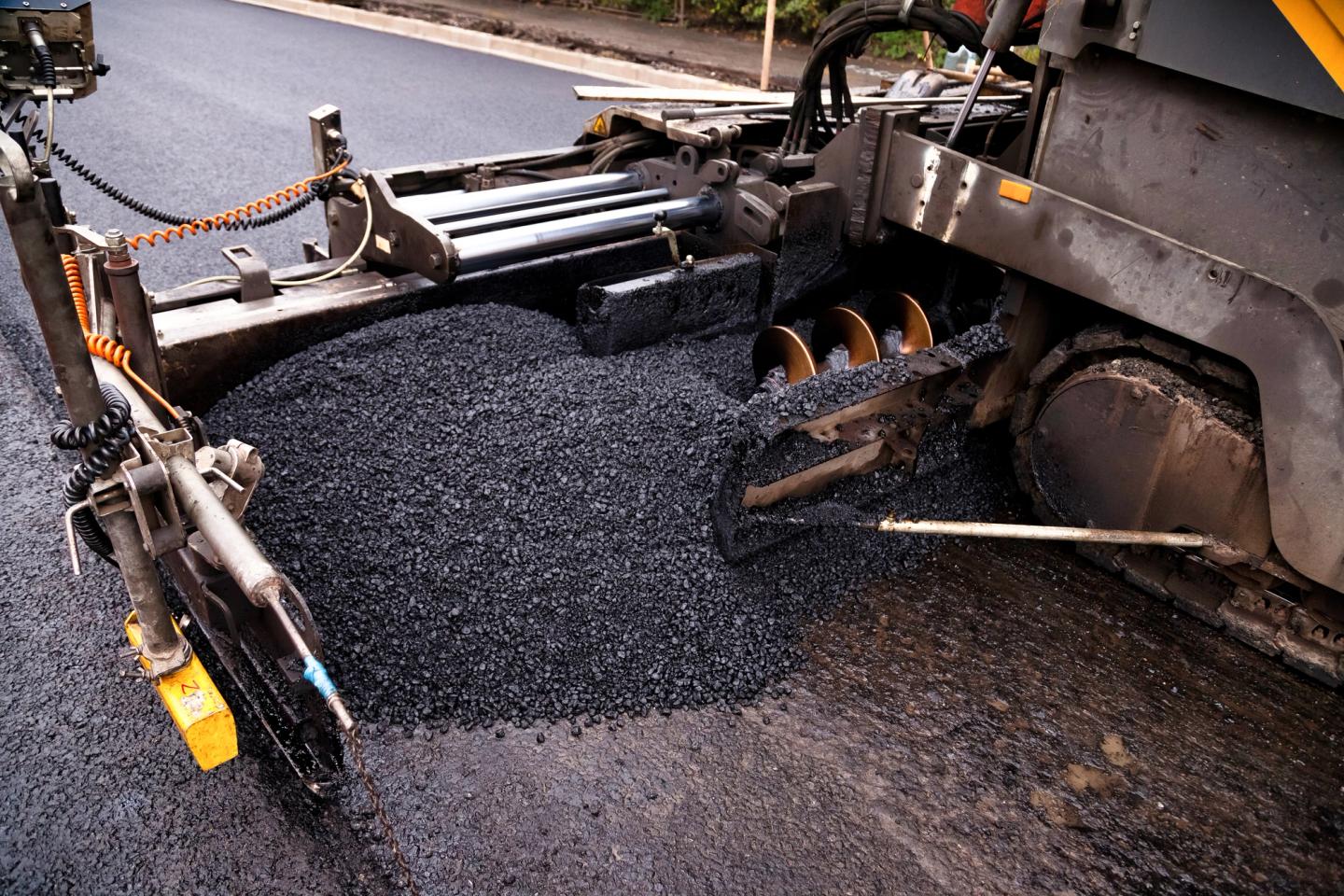
A tack coat is applied to help the new asphalt bond securely to the milled surface. The new layer of hot mix asphalt is then placed, graded for proper drainage, and compacted with rollers to the right density.
6. Striping and Reopening
Once the asphalt has cured enough to handle traffic, the lot is restriped, ADA markings and signage are restored, and the area reopens. Your contractor should provide clear guidance on when vehicles can safely return and how to care for the new surface during the first few weeks.
The Cost and Time Advantage
Full reconstruction means removing all of the asphalt, rebuilding or replacing the base, and paving from scratch. It is the right solution for some properties, but it is also the most expensive and disruptive option available.
Milling and overlay skips the most labor-intensive parts of that process. In many cases, it delivers a surface that looks and performs like new at a meaningfully lower cost, and the work can often be completed in a fraction of the time. For a retail center, office park, church, school, or apartment community, fewer days of closure means fewer frustrated customers and residents, fewer lost sales, and fewer complaints.
Milling can also be targeted. If only certain drive lanes or sections of your lot are failing, those areas can be milled and repaved while the rest of the pavement is maintained, spreading your investment over time.
Milling Is Also the More Sustainable Choice
The asphalt removed during milling does not go to waste. Millings, often called reclaimed asphalt pavement, are commonly recycled into new asphalt mixes or reused as a base material for other projects. That keeps material out of landfills and reduces the demand for new aggregate and binder. For property owners and organizations that care about sustainability, milling is a practical way to maintain pavement responsibly.
Why Houston Pavement Needs the Right Approach
Houston is hard on asphalt. Intense summer heat softens and oxidizes the surface. Heavy rain and high humidity push water into every crack and joint. The expansive clay soils common across the region swell when wet and shrink when dry, putting stress on the base and the pavement above it. Put all of that together, and pavement tends to age faster here than in many other parts of the country.
That is why choosing the right repair strategy at the right time matters so much. Milling before surface damage reaches the base can significantly extend the life of your pavement and help you avoid a much larger reconstruction bill down the road. Waiting too long can turn a manageable mill-and-overlay project into a full replacement.
What to Look for in an Asphalt Milling Contractor
Not every paving company has the equipment, crew experience, or planning process to mill correctly. Before you sign a contract, it is worth asking a few direct questions.
Do you own your milling equipment? Contractors who own their equipment generally have more control over scheduling and quality than those who subcontract the milling phase.
How will you determine the right milling depth? The answer should be based on an assessment of your specific pavement, not a one-size-fits-all number.
How will you handle drainage corrections? A mill-and-overlay project is one of the best opportunities to address standing water issues. Make sure the plan addresses them.
Can you phase the work? If your property needs to remain partially open, your contractor should be able to explain exactly how they will achieve that.
What happens if you find base failures? Ask how hidden problems will be identified, communicated, and priced to avoid surprises.
A contractor who answers these questions clearly and confidently has done this work before.
Get Your Pavement Back Without Starting Over
A worn-out parking lot does not always mean a full tear-out. With professional asphalt milling services, you can remove the damage, correct drainage problems, and get a smooth, durable surface that serves your property for years to come, often at a fraction of the cost of reconstruction.
AAA Paving helps Houston property owners choose the repair approach that best fits their pavement, schedule, and budget. We will assess your lot, explain your options honestly, and deliver a finished surface you can be proud of.
Contact us today to schedule an assessment and request a quote for your asphalt milling project.
About the Author
AAA Paving is a third-generation Houston commercial paving contractor. We've been self-performing work since 1964.